
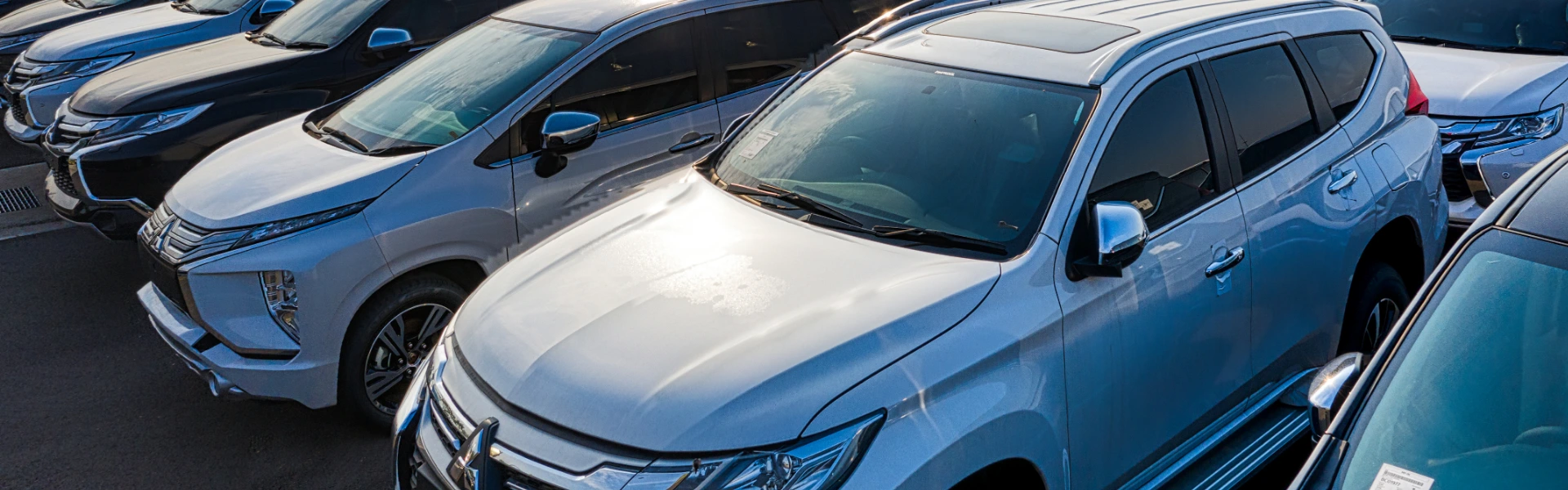
Forget the fleeting stock market figures and global economic uncertainty. If you truly want to measure the optimism and buying power of the Indian consumer, the phenomenal surge in automobile sales in India during this Diwali says it all. This year, the period leading up to and including Diwali was not just a peak, it was an affirmation of a strong, future-focused economy. The figures are staggering, confirming that the automobile industry is experiencing unprecedented momentum.
This is more than a cultural buying spree. It’s a massive confidence vote by millions of Indian households. The willingness to invest significant capital in personal mobility, a purchase symbolizing future stability, sends a clear signal to the world. But what exactly do the record-breaking numbers from Diwali car sales tell us about the nation’s economic health? This article decodes the statistics, examines the drivers of the auto sector growth, and reveals why this surge is the clearest sign of robust future consumer confidence.
Decoding the Blockbuster Sales Figures
The festive season of 2025 delivered an extraordinary performance across the entire automobile industry. The demand was so intense that manufacturers and dealers logged the strongest festive growth in over 10 years. This momentum was powered by a perfect convergence of cultural timing, pent-up demand, and key governmental actions.
The Phenomenal Value of the Surge
The sheer volume of transactions translated directly into monumental financial value. Carmakers and retailers logged total vehicle sales worth nearly ₹8,000 crore during the Diwali period alone. This demonstrates the depth of the market and the collective purchasing power being unleashed.
A major catalyst for this widespread consumer action was the GST cuts on certain vehicle segments implemented by the government just prior to the season. This tax magic had a massive impact on the consumer’s perceived value, effectively directing shoppers toward larger purchases. The reduction in the total acquisition cost made the car offer schemes even more irresistible, translating interest into immediate sales.
Passenger Vehicles: The Confidence Proxy
The Passenger Vehicle (PV) segment is universally regarded as a proxy for the affluent middle-class consumer sentiment. This segment experienced a record-breaking growth during the Diwali season. This isn’t just about replacing old cars; it’s about upgrading.
- Tata Motors’ Performance: Underscoring this trend, Tata Motors Passenger Vehicles announced they delivered over one lakh vehicles during the 30-day festive period between Navratri and Diwali, marking an exceptional 33% year-on-year growth. This substantial double-digit growth, achieved by a single major player, is highly indicative of the momentum across the entire sector.
- The SUV Dominance: This PV surge was overwhelmingly led by the high demand for SUVs (Sport Utility Vehicles). Consumers are not just buying cars; they are choosing larger, more feature-rich, and aspirationally positioned vehicles. This decisive preference for SUVs highlights a consumer who is secure enough in their economic future to commit to a more substantial financial outlay.
The collective success stories of automobile sales in India from manufacturers like Maruti, Tata Motors, and Hyundai all point to one fact: the consumer’s willingness to spend is robust.
Grow your wealth with Bonanza
The True Measure of Mass-Market Recovery: Two-Wheelers and Rural India
While the focus often remains on Diwali car sales, the health of the economy’s grassroots lies in the two-wheeler segment. These vehicles are the primary mode of personal transport for millions in rural and semi-urban India.
The automobile sales in India data confirm that the two-wheeler sales in India saw a strong recovery during the festive period. This rebound signals that positive consumer sentiment is not confined to the metros but has permeated through the semi-urban and rural markets, which are the engine of India’s mass consumption story.
This recovery is often a direct result of:
- Monetary Stability: Consistent income from agricultural produce and rural-focused government schemes.
- Affordable Mobility: The combination of low-cost financing and attractive festive offers made the entry-level purchase highly accessible.
A robust performance in two-wheeler sales in India is a foundational pillar for sustained auto sector growth and confirms the optimism of the vast majority of Indian households.
The Electric Shift: EV Sales in India Powering Ahead
The narrative of this automobile sales in India is incomplete without acknowledging the rapid and transformative shift towards electric mobility. The festive period accelerated the adoption of electric vehicles, demonstrating that the consumer is making smart, future-oriented choices.
The growth in EV sales in India is phenomenal. This segment, led by strong offerings from Tata Motors and others, saw a massive uptake. This surge is driven by several factors:
- Cost Efficiency: Consumers recognize the long-term savings associated with EVs, making the initial investment worthwhile.
- Wider Model Choice: Manufacturers, including Tata Motors, have aggressively expanded their EV portfolios, giving consumers appealing options across different price points.
- Incentives: The supportive policies, including the crucial GST cuts on EVs and components, made the transition even more financially viable for the masses.
The enthusiastic acceptance of EV sales in India signals a forward-looking consumer base that is integrating technology and sustainability into its purchasing decisions, cementing the path for the future of the automobile industry.
The Strategic Enablers: Why the Car Offer Diwali Works
The underlying consumer confidence provides the demand, but the strategic marketing converts that demand into actual transactions. The success of the Diwali car sales surge owes a tremendous amount to the meticulously designed car offer Diwali schemes.
These offers were not simple price cuts; they were comprehensive value propositions that reduced the total cost of ownership and eased the immediate financial burden.
1. The Perfect Timing of Value Addition
The car offer Diwali schemes leveraged the auspicious timing of festivals like Dhanteras and Diwali, bundling incentives that made purchases irresistible:
- Discount Stacking: Offers often included a combination of cash discounts, high exchange bonuses for old vehicles, and loyalty benefits.
- Financing Subsidies: Aggressively subsidized interest rates in partnership with major banks made the long-term commitment palatable.
- Value-Added Services: Free insurance for the first year or extended warranties sweetened the deal, reducing the consumer’s subsequent expenditures.
The effectiveness of the car offers during Diwali is evident in the record registration volumes seen during this critical selling window.
2. The Unveiling of Consumer Sentiment
The robust and sustained nature of these Diwali car sales points to a fundamental shift. Economists note that strong domestic demand and robust consumer sentiment are the primary drivers. The consumer is not just spending disposable income; they are taking on new debt (loans) for long-term assets, which is the strongest indicator of trust in the nation’s economic stability.
This massive consumption event generates a multiplier effect: it fuels manufacturing, ensures capacity utilization, and increases employment in ancillary industries. The momentum from the festive period is now expected to provide a crucial tailwind for the entire auto sector growth in the following quarters.
Conclusion: Driving Investment and Future Prosperity
The success of automobile sales in India during Diwali 2025 provides an unassailable case for a thriving, confident domestic economy. Every statistic, from the massive 33% growth delivered by major automakers like Tata Motors in their PV segment to the overall ₹8,000 crore value of sales, is a tangible sign of consumer optimism.
The market has confirmed that the Indian consumer believes in the future, is willing to spend, and is actively participating in the nation’s progress. This trend is further solidified by the widespread embrace of EV sales in India, demonstrating a forward-thinking market.
For investors and financial analysts, the message from the automobile industry is clear: The wheels of prosperity are turning rapidly. The current auto sector growth is a blueprint for sustained economic acceleration, making the Indian market a compelling proposition for long-term wealth creation.
Subscribe to Bonanza Wealth blogs to know more about the automobile sales in India.
Latest Posts
-
 14 Jul 2026
The Oil Unwind: Why Crude-Sensitive Stocks Are Rallying on a Ceasefire, Not Yet on Peace
-
 13 Jul 2026
Govt Waives Basic Customs Duty on Electronics Components: What You Need to Know?
-
 09 Jul 2026
India’s Semiconductor Moment: CG Semi OSAT Facility in Sanand Is Now Operational
-
 08 Jul 2026
Monsoon 2026: Why Markets Are Rallying on Hope, Not Yet on Data
Related Posts
-
14 Jul 2026
The Oil Unwind: Why Crude-Sensitive Stocks Are Rallying on a Ceasefire, Not Yet on Peace
-
13 Jul 2026
Govt Waives Basic Customs Duty on Electronics Components: What You Need to Know?
-
09 Jul 2026
India’s Semiconductor Moment: CG Semi OSAT Facility in Sanand Is Now Operational
-
08 Jul 2026
Monsoon 2026: Why Markets Are Rallying on Hope, Not Yet on Data





 Invest Now