
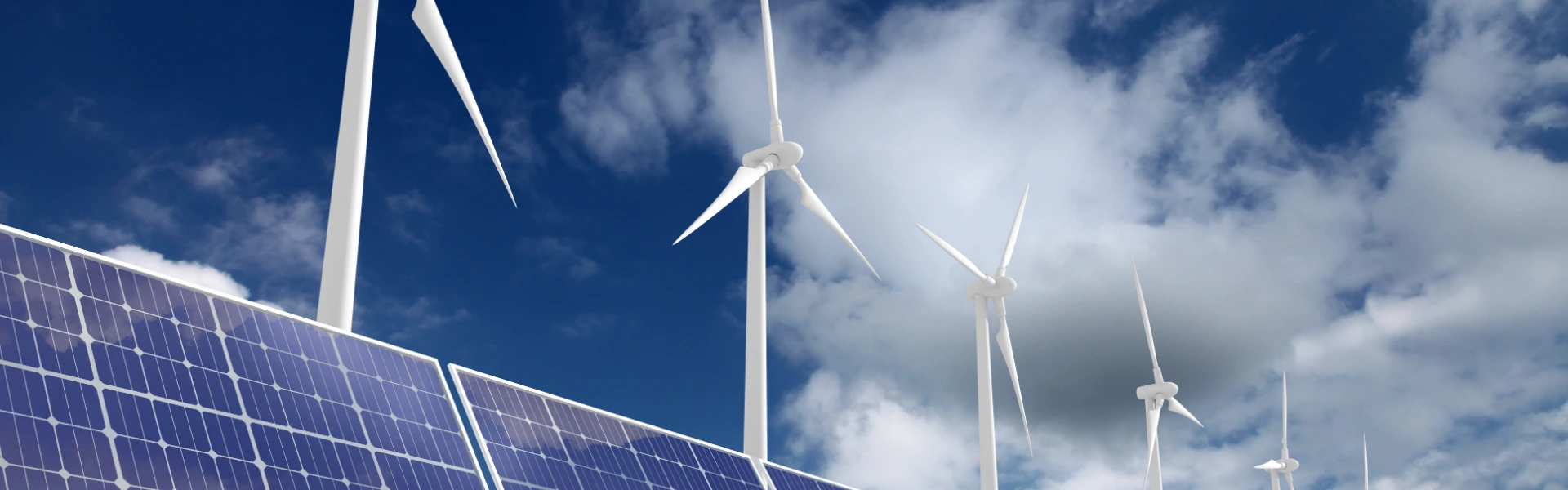
India’s clean energy story has spent a decade being told in gigawatts. Solar parks in Rajasthan, wind farms in Gujarat, ever lower auction tariffs and a steady drumbeat of capacity milestones. In 2026 that conversation has quietly moved on. The country is no longer struggling to build generation. It is struggling to move, store and balance the power it already builds.
For investors, the question is no longer whether India will reach its clean energy target. It is which links in the value chain carry the real bottleneck, and which listed companies get paid for fixing it.
Table of Contents
What Has Changed?
India’s installed non-fossil capacity stood at 300.50 GW on 31 July 2026, a little over 60 per cent of the 500 GW target for 2030.
The pace of addition has changed more than the headline number has.
- FY26 saw a record 55.3 GW of non-fossil additions, against the previous best of 29.5 GW in FY25
- Solar alone added about 44.6 GW in FY26, taking installed solar capacity to 164.59 GW by July 2026
- Non-fossil sources crossed half of installed capacity in June 2025, five years ahead of India’s Paris commitment
- Yet non-fossil sources produced only 29.2 per cent of the electricity generated in FY26
That last gap is the entire investment case in one line. Installed capacity is not the same as delivered power.
Why the Grid Has Become the Bottleneck
1. Wires Have Not Kept Pace With Panels
India has delivered only about 80 per cent of its annual transmission targets over the past five years, and the shortfall has compounded into a backlog.
2. Curtailment Is Now Measurable
Close to 300 GWh of renewable power is estimated to have been lost to transmission constraints in the January to March 2026 quarter alone, concentrated in the northern and western regions.
3. Temporary Access Is Doing Permanent Work
About a third of the 54.8 GW of recently commissioned renewable capacity was being evacuated through temporary network access as of May 2026, with curtailment of 50 to 60 per cent during solar hours.
4. Execution Is Slow by Nature
Land acquisition, right-of-way disputes and approvals mean only 12 per cent of competitively bid transmission projects commissioned by March 2026 finished on schedule. The median delay was above ten months.
Beyond the Panels. Transformers and Transmission
Everyone knows the large solar and wind developers. Far fewer follow the companies building the grid that carries their output.
The Central Electricity Authority’s roadmap envisages transmission investment above Rs. 9.15 lakh crore up to FY32, including more than 1.91 lakh circuit kilometres of new lines and roughly 1,270 GVA of transformation capacity.
Heavy electrical equipment is where this spending lands first. Hitachi Energy India reported its highest ever unexecuted order backlog of Rs. 32,222 crore as of 30 June 2026, and is building a Rs. 4,000 crore power transformer plant in Gujarat due around December 2028. GE Vernova T&D India, Siemens Energy India and Transformers and Rectifiers India sit in the same pool of demand.
A factory announced in 2026 and commissioned in 2028 tells you something important. Transformer capacity, not demand, is the binding constraint, and that keeps pricing firm for suppliers who already have it.
Grow your wealth with Bonanza
The Storage Race. Pumped Hydro Versus Batteries
Solar power disappears every evening, which is exactly when Indian demand peaks. India’s commissioned storage base is about 10.3 GW, of which 7.4 GW is pumped hydro and 2.9 GW is battery storage, against a pipeline that has crossed 100 GW.
1. Pumped Hydro
Pumped storage offers a 40-year operating life and regulated returns, but takes years to clear approvals and build. NTPC Group is working on a 20 GW pipeline through its hydro subsidiaries, JSW Energy had 29.6 GWh of locked-in storage as of March 2026, and Tata Power is building the 1,800 MW Shirwata project in Maharashtra.
2. Battery Storage
Batteries install in months and can sit right next to congested substations. The catch is pricing. Standalone two-hour battery tariffs fell to a record low of Rs. 1.48 lakh per MW per month in 2025, well below an indicative viability benchmark of about Rs. 2.3 lakh.
The trade-off is fairly simple.
- Pumped hydro wins on lifespan, storage duration and long-run cost per unit stored
- Batteries win on speed, siting flexibility and falling cell prices
- Aggressive battery bids carry real execution risk if cell prices or financing costs rise
- New chemistries are entering the frame, with NTPC now exploring a grid-scale sodium-ion pilot
India will need both. Batteries fix the next three years. Pumped hydro fixes the next thirty.
EPC Giants and the Capital Goods Lifeline
Every substation, transmission corridor, pumped storage tunnel and battery yard has to be engineered and built by someone.
Larsen and Toubro spans power transmission, renewable EPC and hydro works. KEC International and Kalpataru Projects International are core transmission line contractors. Engineers India, known mainly for hydrocarbon consultancy, is building a presence in green hydrogen and newer energy projects, although clean energy is still a small part of its revenue.
The appeal of this segment is multi-year order visibility backed by government-planned spending. The risk is that EPC margins are thin, working capital is heavy, and the delays described above hurt the contractor as much as the developer.
Is Green Energy Overheated?
Hitachi Energy India had risen about 74 per cent in 2026 by 17 September and traded at a trailing P/E of around 135 times. A retail investor needs a framework here, not a feeling.
Forward P/E for Equipment Makers
Compare the price with earnings expected one to two years out, not trailing earnings. A high multiple is defensible only if the order book already underwrites the growth.
EV/EBITDA for Utilities and Developers
Utilities carry heavy debt. Enterprise value to EBITDA captures that debt, which a simple P/E hides, and allows a fairer comparison between leveraged and cash-rich companies.
Order Book to Revenue
A backlog of three to four times annual revenue offers genuine visibility. A rising share price without a rising backlog is momentum, not earnings.
Why This Is Not a Straight Line
- Transmission projects routinely slip, delaying both equipment revenue and developer cash flows
- Thin battery tariffs may leave part of the awarded storage pipeline unbuilt
- Higher global bond yields raise the cost of capital for a sector that runs on debt
- Import dependence remains high in battery cells, HVDC technology and certain electrical components
What to Monitor
- Quarterly transmission line and substation additions against CEA targets
- Curtailment data from Rajasthan and Gujarat
- Order inflow and backlog trends at listed grid equipment makers
- Financial closure of battery projects awarded in 2025 and 2026
Investment Outlook
Near Term. Sentiment Driven
The Nifty closed at 23,063 on 24 September 2026 in a broad sell-off, and green energy stocks fell with it. Thematic names trade on mood well before results.
Medium Term. Execution Specific
Separate companies with factories, backlogs and commissioned assets from those with announcements. The first group has revenue visibility. The second has optionality.
Long Term. Structurally Positive
Roughly 200 GW of non-fossil capacity still has to be added by 2030, and every gigawatt needs wires, transformers and storage before it becomes useful power.
India’s energy transition has entered its second act. The first was about adding megawatts, and the country did that faster than almost anyone expected. The second is about moving, storing and balancing that power, and that is precisely where the capital is now flowing.
The honest counterpoint is that much of this is already visible to the market and, in the most obvious names, already in the price.
Bottom Line. The next chapter of India’s clean energy story will be written in substations, transformer bays and storage yards rather than solar parks. Companies with firm order books, existing capacity and disciplined balance sheets deserve to be valued very differently from those simply riding the theme, and that distinction will matter far more to returns than the size of the target.
You can also join our community at LinkedIn, Instagram, and Twitter to stay updated.
Latest Posts
-
 03 Oct 2026
India’s Power and Renewable Energy Value Chain and the Shift From Adding Megawatts to Moving Them
-
 30 Sep 2026
8 Money Mistakes Young Professionals Make in Their First 5 Years of Earning
-
 28 Sep 2026
India Cuts Customs Duty on Edible Oils: What the Latest Cooking Oil Relief Means for Investors?
-
 25 Sep 2026
India’s Data Centre Boom: Can India Become a Global Digital Infrastructure Hub?
Related Posts
-
 24 Sep 2026
India-New Zealand FTA: Key Highlights of the $20 Billion Investment Trade Deal
-
 23 Sep 2026
India Rice Output Set for Its Biggest Drop in Two Decades: What It Means for the Economy and Your Money
-
 17 Sep 2026
BIS Hikes Gold Hallmarking Fee by 67% Just Before Festive Season: What Investors Need to Know?
-
 15 Sep 2026
Anthropic’s Profits Could Change How Investors Look at AI Stocks





 Invest Now