
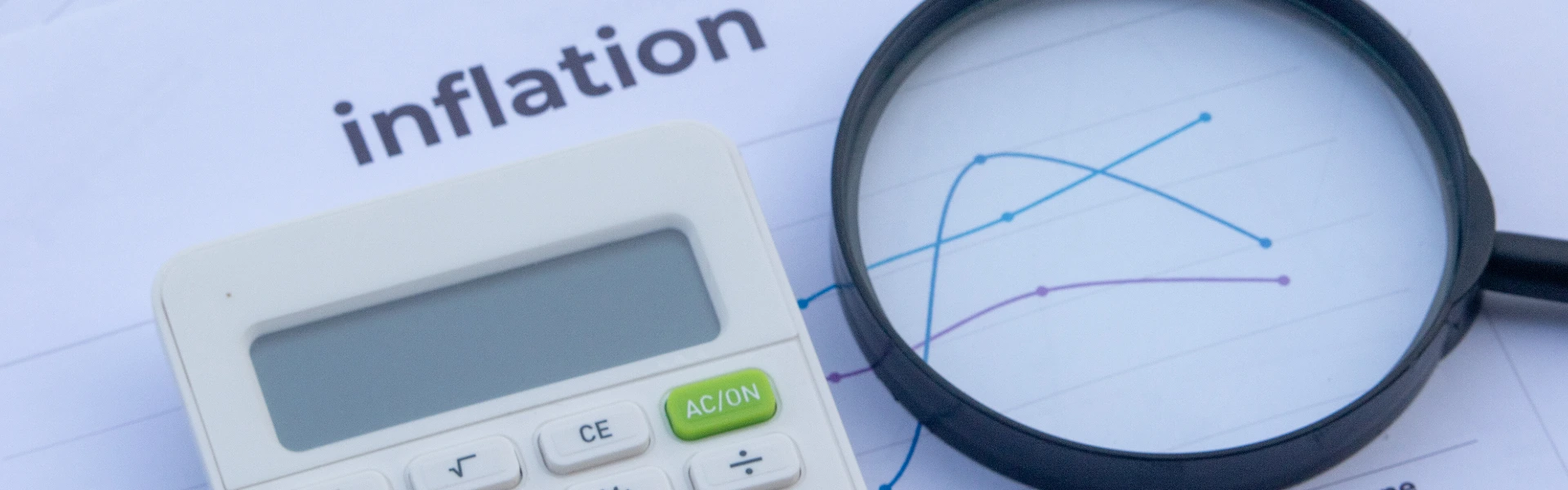
This is undoubtedly important news for the investors and HNIs because inflation means that the nature of money has changed. If prices increase more quickly, then the value of money will surely diminish.
What Drove the Rise in Wholesale Inflation?
The main factor in the rise was the price hikes in energy. Fuel and electricity, which were experiencing deflation for several months, experienced inflation of 1.05 % in March. The move to inflation was a result of the increases in international energy prices, influenced by the tensions in West Asia. Fuel hikes typically influence transport, logistics, and production; hence, the effect could be rapid.
Primary articles also showed a significant increase in inflation, with an increase to 6.36 %. These primary products include cereals, vegetables, milk, eggs, meat, minerals, and crude oil. Given that these are input products, any increase in this sector will influence other sectors of production negatively. Manufacturing goods showed the highest increase, rising to 3.39 %. This is important because these manufacturing goods constitute a high %age of the wholesale index.
Why Does This Matter for Investors?
In cases where wholesale inflation is increasing, the businesses may experience an increase in input costs. In the long run, some of these costs will be shifted to the consumer, which may have implications for the bottom line of the company, particularly if the company does not have the luxury of hiking prices.
This factor is relevant to asset allocation. If the inflation levels remain high, fixed-income investments may become less attractive unless the returns on investment are sufficiently high to offset inflation. Equities, on the other hand, may still provide adequate shelter from inflation if the companies are price-takers.
Grow your wealth with Bonanza
Retail Inflation and RBI’s Response
Retail inflation also edged up to 3.4% in March. This is important because the Reserve Bank of India mainly looks at consumer inflation while setting policy. “The WPI inflation trajectory would be more indicative of the war effects than the CPI, as a lot of buffering is done on the latter, especially on the fuel side,” this statement is also given by Madan Sabnavis, who is chief economist at Bank of Baroda.
The RBI held the repo rate steady at 5.25 % and said that inflation risks remain because of geopolitical tensions, energy price volatility, and weather-related uncertainty. According to Governor Sanjay Malhotra, the inflation rate will start from 4%, increase to 4.4% in the second quarter, peak at 5.2% in the third quarter, and end at 4.7% in the fourth quarter.
The RBI also projected CPI inflation for 2027 at an average of 4.6 %. That means inflation is expected to stay relevant in the near term, even if it does not rise sharply every month. For investors, this means rate cuts or easy money conditions should not be assumed too quickly.
Tips for Investors in a Rising Inflation Environment
The following are some of the tips that investors can follow to survive this high-rise inflation environment:
- Firstly, the investors or HNIs should be made aware that the investments will have to remain diversified. An investment portfolio that is highly concentrated on one type of asset class might be affected during rising inflation periods. Hence, it is always safer to invest the money in equities, debts, and other suitable asset classes.
- They should identify those companies that have pricing power. They should make investments in those firms that have good pricing power and can easily adjust prices and continue their business as usual.
- The HNIs should not panic and withdraw from the market immediately after seeing inflation increase. It is always advisable to stick to the long-term strategy rather than acting emotionally.
- They should review the exposure of those sectors that are dependent on fuel, metals, or imports of raw materials. The sectors will face problems due to increasing costs at the initial stage only.
- Lastly, the investors should review their portfolios now and then because of the inflation factor in the markets.
*Disclaimer: This information is for educational and informational purposes only and is not financial advice. Investing during high inflation involves risk, including possible temporary losses. Past performance does not guarantee future results, and all investments carry the risk of capital loss. Please consult a qualified financial advisor before making investment decisions.
What the WPI Base Year Revision Means
Also, another revision being made by the government is that of the WPI base year revision, which will go from 2011-12 to 2022-23. This revision becomes important as it can offer a clearer understanding of how the economy has fared since then and how the levels of inflation have risen. It is also trying out the idea of shifting from the WPI base year concept to PPI (producer price index).
PPI becomes significant due to the changes witnessed in the Indian economy. There has been a major shift from goods-based industries to service-based industries.
Summing Up
In conclusion, it would be better to state that the recent surge in inflation rates in March 2026 indicates that there have been renewed inflation concerns. Energy and metal prices, along with production costs, have made it a different story. However, the best thing for an investor to do in such a situation would be nothing but remain disciplined.
A diversified portfolio, a long-term view, and regular review of asset allocation can help investors stay prepared in a changing inflation cycle. If you are also an investor or an HNI, you can definitely explore some of our smart investment plans that can help you grow your business in this fluctuating environment.
Latest Posts
-
 14 Oct 2026
Nine Nights, Nine Checks: A Navratri Portfolio Review Checklist for 2026
-
 11 Oct 2026
Super El Niño and Warming Oceans: How 2027 Could Be Shaped, and What It Means for Indian Investors?
-
 09 Oct 2026
RBI Repo Rate Hike to 5.50%: What It Means for Your Loans, Savings and Investments?
-
 07 Oct 2026
World Bank Raises India Growth Forecast to 7.1%: What It Means for Your Investments?
Related Posts
-
 28 Apr 2026
FM Sitharaman Flags Claude Mythos Risk: What Investors Should Know?
-
 23 Apr 2026
India Slips to 6th Largest Economy: What the GDP Drop Means for Investors?
-
 15 Apr 2026
How Market Stability Is Impacted by Failed US-Iran Negotiations?
-
 12 Mar 2026
The Cost of Conflict: How Geopolitical Tensions are Turning LPG into a Luxury Asset





 Invest Now